
Preparing for Wildfire

Wildfire has been part of the natural environment for thousands of years. In many ecosystems, periodic fire plays an important role by removing accumulated vegetation, recycling nutrients, influencing plant communities, and creating new habitat. Fire, however, does not affect every landscape in the same way, and when wildfire reaches areas where people live, work, and travel, the consequences can be significant.
For much of human history, wildfires primarily burned through undeveloped landscapes. As communities expanded into forests, grasslands, shrublands, foothills, deserts, and other natural areas, more homes and businesses became located where development meets or mixes with wildland vegetation. This area is commonly known as the Wildland-Urban Interface, or WUI.
The Wildland-Urban Interface has grown considerably across the United States. Between 1990 and 2020, the number of homes located within the WUI increased from about 30 million to 44 million. As more people live and build near wildland vegetation, more homes and communities can be exposed when wildfire occurs.
Wildfire is also not limited to heavily forested areas. Research by the U.S. Forest Service has found that more homes in the United States are exposed to wildfire in grasslands and shrublands than in forests. Wildfire risk exists anywhere sufficient vegetation or other combustible fuels, an ignition source, and favorable weather conditions come together.

An estimated 85% of wildfires in the United States are caused by human activity. Common causes include unattended campfires, debris burning, equipment use, welding or sparks, dragging chains, vehicle fires, power lines, fireworks, discarded cigarettes, and arson. Many of these fires are preventable through greater awareness and caution during periods of high fire danger.
Firefighters continue to see the impacts that wildfire can have on communities throughout California. In Newberry Springs, our hot, dry High Desert climate, periods of drought, strong winds, and dry vegetation can create conditions where fires spread quickly and become difficult to control. While wildfire will always remain a threat, property loss does not have to be inevitable. By understanding wildfire, maintaining defensible space, and preparing homes and businesses before a fire occurs, residents can take meaningful steps to reduce their risk and help make our community more resilient.
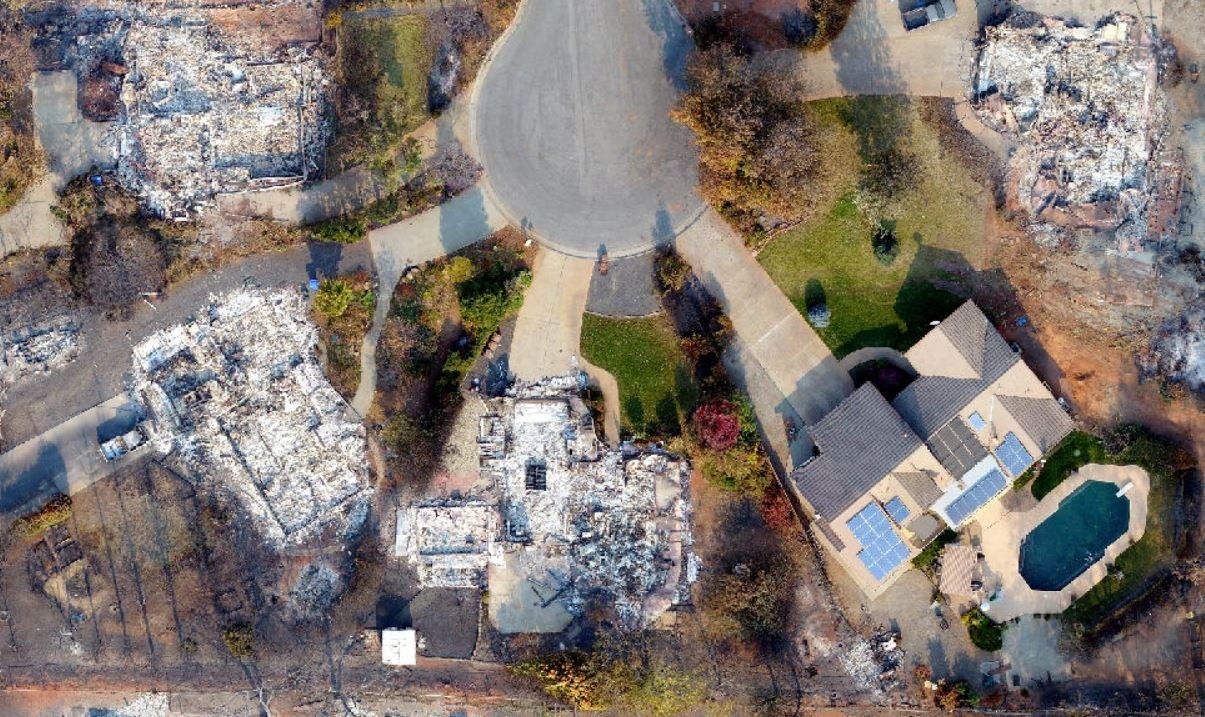
People often misunderstand how structures are damaged or destroyed during a wildfire. Fire does not always move uniformly through a community, and neighboring properties can experience dramatically different outcomes. Many factors can leave an unprepared structure vulnerable to ignition.
After a wildfire ignites, severe conditions such as extreme heat, dry vegetation, drought, low humidity, and strong winds can cause the fire to spread rapidly and threaten large developed areas.
Extreme wildfire conditions can expose a large area to wind-driven embers, heat, and flames at the same time. This can result in numerous homes, businesses, vegetation, fences, vehicles, and other combustible materials igniting throughout a community.
During a major wildfire, the number of threatened structures can exceed the firefighters, engines, water tenders, and other resources available for structure protection. Fire crews may have to prioritize life safety, evacuation, fire spread, and areas where their efforts can be most effective.
Not all wildfires behave the same way. Some fires burn hot and intensely, producing significant heat and destruction, while other fires burn at a lower intensity through grasses, brush, and surface vegetation.
Both high-intensity and lower-intensity wildfires can destroy vulnerable structures. A home does not necessarily have to be reached by a large wall of flame to ignite.
High-intensity fires can be extremely difficult for firefighters to contain and may generate large amounts of heat and wind-driven embers. However, fire intensity alone does not determine whether a structure survives.
A lower-intensity wildfire can still ignite a vulnerable structure, while a properly prepared structure may survive exposure to much more severe wildfire conditions. Defensible space, building construction, maintenance, and protection against ember intrusion can all influence the outcome.
Hot air and gases produced by wildfire rise and create convective currents. These currents can lift burning pieces of vegetation, wood, roofing material, and other debris into the air.
These burning materials are commonly called embers or firebrands. Wind can carry them well ahead of the main fire, where they may create new spot fires.
Embers can land on roofs, collect in gutters, enter vents, become trapped beneath decks, ignite combustible fencing, or land in dry vegetation and debris around a structure. Because of this, wind-driven embers are one of the most significant threats to structures during wildfire.
Radiant heat is the heat you can feel from a fire without directly touching the flames — similar to the heat felt while sitting near a fireplace.
When a combustible material is exposed to enough radiant heat, its temperature can rise until ignition occurs. Burning vegetation, fences, wood piles, vehicles, outbuildings, and neighboring structures can all expose a building to radiant heat.
Increasing the separation between a structure and potential fuel sources can help reduce radiant heat exposure.
Crown fires occur when fire reaches and spreads through the tops or canopies of trees. These fires can produce intense heat, large flames, and significant amounts of burning embers.
Surface fires burn through grasses, shrubs, fallen vegetation, and other fuels close to the ground. Without an interruption in combustible fuels, flames can travel toward a home, fence, deck, shed, or other structure.
Vegetation that allows fire to move from grasses and surface fuels into shrubs and tree canopies is commonly known as ladder fuel.

Defensible is Defendable
Steps you can take to protect your home or business
Research into structure survival during wildfire has shown that wind-driven embers and small flames are major causes of home ignition. Embers are burning pieces of vegetation, wood, and other material that can be carried through the air and deposited well ahead of the main wildfire.
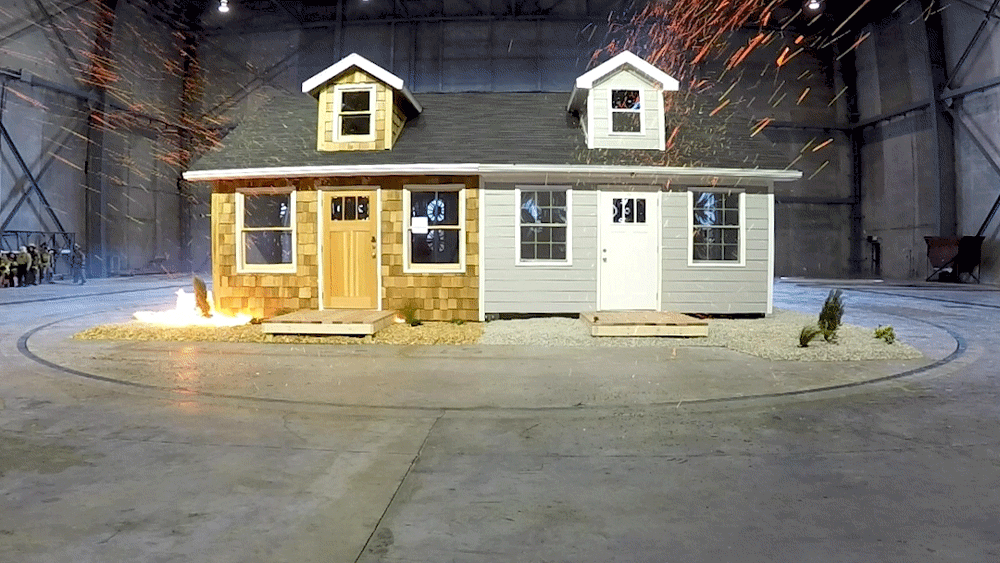
Homeowners and business owners can take steps to reduce the likelihood that embers, surface fire, or nearby flames will ignite a structure. The condition of the building and the combustible materials surrounding it are important factors in determining whether ignition occurs.
The Home Ignition Zone (HIZ) describes the structure and the area surrounding it where conditions can influence whether a building ignites during wildfire. The concept can also be applied to commercial buildings and other structures.
The Home Ignition Zone is commonly divided into three areas: the Immediate Zone, Intermediate Zone, and Extended Zone.

0–5 feet from the structure. This is the area immediately surrounding the home or building and is especially vulnerable to wind-driven embers.
Start with the structure itself, then work outward into the landscaping immediately surrounding it.

- Keep roofs and gutters free of leaves, vegetation, and combustible debris.
- Repair loose or missing shingles, roofing, or tiles that could allow ember entry.
- Protect vulnerable vents and openings with appropriate ember-resistant screening where required.
- Keep exterior attic vents and similar openings clear of combustible debris.
- Repair damaged window screens and broken windows.
- Remove combustible materials stored beneath decks and porches.
- Keep firewood, dead vegetation, combustible mulch, and similar materials away from exterior walls.
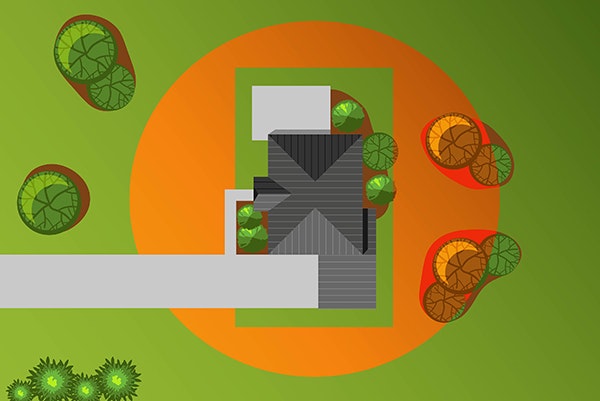
5–30 feet from the structure. The objective in this area is to use landscaping, spacing, and hardscape features to interrupt the movement of fire and reduce fire intensity.
- Clear combustible vegetation from beneath and around stationary propane tanks.
- Use driveways, patios, walkways, and other hardscape areas as breaks between fuels.
- Maintain grasses and other vegetation to reduce available fuel.
- Remove ladder fuels that could carry fire from the ground into taller vegetation.
- Maintain appropriate separation between trees, shrubs, and the structure.
- Break vegetation into smaller groupings rather than allowing continuous fuel across the property.
30–100 feet from the structure. The goal of the Extended Zone is not necessarily to eliminate fire, but to reduce available fuels, interrupt fire spread, and help keep flames smaller and closer to the ground.

- Remove heavy accumulations of dead vegetation and combustible debris.
- Remove dead plants, shrubs, branches, and other dead material.
- Reduce vegetation that creates continuous fuel between larger plants.
- Maintain clearance around sheds and other accessory structures.
- Provide appropriate spacing between vegetation based on site conditions.
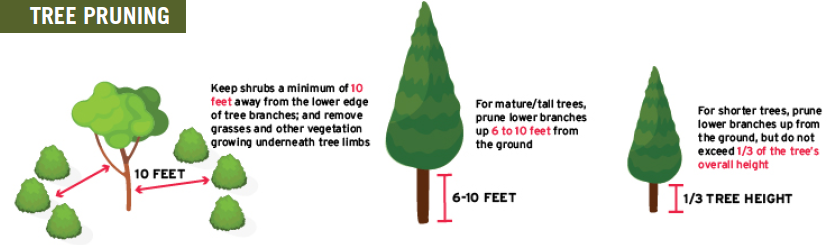

Steep slopes can influence wildfire behavior because flames and convective heat may preheat vegetation located uphill. Some properties may therefore require additional fuel reduction or separation based on slope, vegetation, and applicable fire-safety requirements.

On some properties, the recommended defensible-space area may extend beyond the property line. When this occurs, working cooperatively with neighboring property owners can help reduce shared wildfire hazards.

Ignition-resistant building materials, appropriate construction techniques, vegetation management, and removal of combustible debris can all improve a structure's resistance to wildfire.
- Carports: Remove unnecessary combustible materials and storage.
- Decks & Elevated Porches: Keep areas beneath decks and porches free of dead vegetation and combustible storage. Protect vulnerable openings where appropriate.
- Fencing: Avoid creating a continuous combustible pathway from a fence directly to the structure. Noncombustible materials are preferred where fencing attaches to a building.
- Fireplace Chimneys: Keep roof-to-wall areas clear of debris and maintain approved spark-arresting features where required.
- Gutters: Regularly remove leaves, vegetation, and other debris that could be ignited by embers.
- Roof Maintenance: Keep roofs free of combustible debris and repair damaged or missing roofing materials.
- Siding: Maintain exterior siding and seal openings, joints, and gaps where embers could accumulate or enter.
- Eaves & Soffits: Maintain vents and protect vulnerable openings from ember intrusion.
- Crawl Spaces: Remove combustible materials and maintain appropriate vent protection.
- Foundation: Inspect foundation vents and openings and maintain appropriate screening.
- Garages: Maintain tight-fitting garage doors and weather seals that help reduce ember entry.
- Sliding Glass Doors: Consider wildfire-resistant glazing and other protective features where appropriate.
- Roofing: Class A fire-rated roofing provides the highest level of roofing fire resistance.
- Skylights: Keep debris from accumulating around skylights and roof openings.
- Vents: Maintain vents and use approved ember-resistant features where appropriate.
- Windows: Multi-pane tempered glazing can improve resistance to wildfire heat exposure.
- Keep address numbers visible from the roadway.
- Close vulnerable openings when wildfire threatens, when safe and appropriate to do so.
- Move combustible patio furniture, cushions, mats, and similar items away from structures when wildfire threatens.
- Move vehicles to noncombustible areas when possible.
- Maintain decks, garages, sheds, and other accessory areas so combustible material does not accumulate.
- Prepare the property before wildfire conditions develop rather than waiting until evacuation becomes necessary.
Wildfire preparation does not stop at the area immediately surrounding a structure. Private driveways, property entrances, gates, and nearby roadways also play an important role during an emergency.
During an evacuation, residents may be leaving at the same time firefighters and emergency vehicles are entering. Maintaining clear access improves conditions for both evacuation and emergency response.
- Keep vegetation from obstructing private roads and driveways.
- Remove brush and other vegetation that creates hazardous fuel along access routes.
- Trim vegetation so emergency vehicles have sufficient horizontal and vertical clearance.
- Do not install features that unnecessarily restrict emergency vehicle access.
- Keep gates operational and accessible.
- Remember that emergency apparatus may be entering while residents are evacuating.
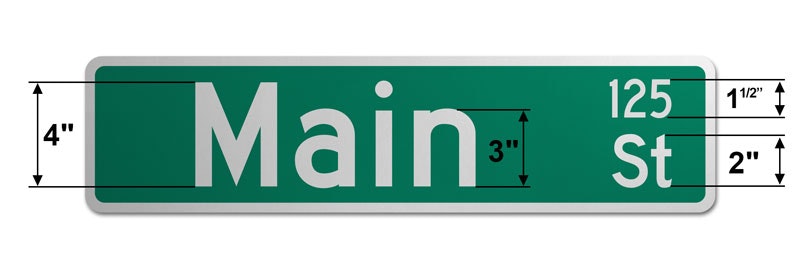
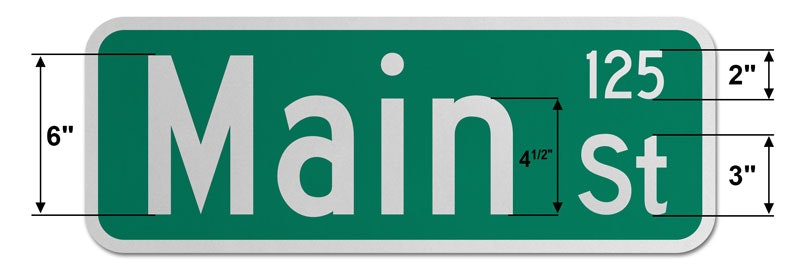
Property addresses should be clearly visible from the roadway. Firefighters responding during nighttime, smoke, or rapidly changing wildfire conditions may not be familiar with individual properties or private access roads.

Roads and private access routes should be clearly identified so firefighters can locate properties quickly. Signs should remain visible, legible, and unobstructed by vegetation.
CAL FIRE — Ready for Wildfire
Wildfire preparedness information including defensible space, home hardening, evacuation readiness, and wildfire planning.
Visit Ready for Wildfire →Ready.gov — Wildfires
Federal emergency preparedness guidance for creating plans, preparing supplies, and responding to wildfire.
Visit Ready.gov →National Fire Protection Association — Wildfire
Educational resources addressing wildfire risk reduction, home preparedness, and community wildfire safety.
Visit NFPA Wildfire →Firewise USA®
A national voluntary recognition program that helps communities organize and take action to reduce wildfire risk.
Learn About Firewise USA →Insurance Institute for Business & Home Safety
Research-based guidance addressing wildfire-resistant homes, ember exposure, and property mitigation.
Explore Wildfire Ready →
Videos
Your Home and Wildfire. Choices That Can Make a Difference.
How Do Homes Burn in a Wildfire?
The Relationship Between Extreme Heat and Wildfire